
April 14-17, 2027 | National Harbor, MD
The 42nd Annual SIOP Conference will be held from April 14-17, 2027, in National Harbor, Maryland.

Attendee Info
Testing
2027 SIOP Annual Conference Proposal Submission Portal
is Now Open
2027 SIOP Annual Conference Proposal Submission Portal
is Now Closed
Submission Deadline was October 7, 2026 at 5 p.m. ET
About the Event
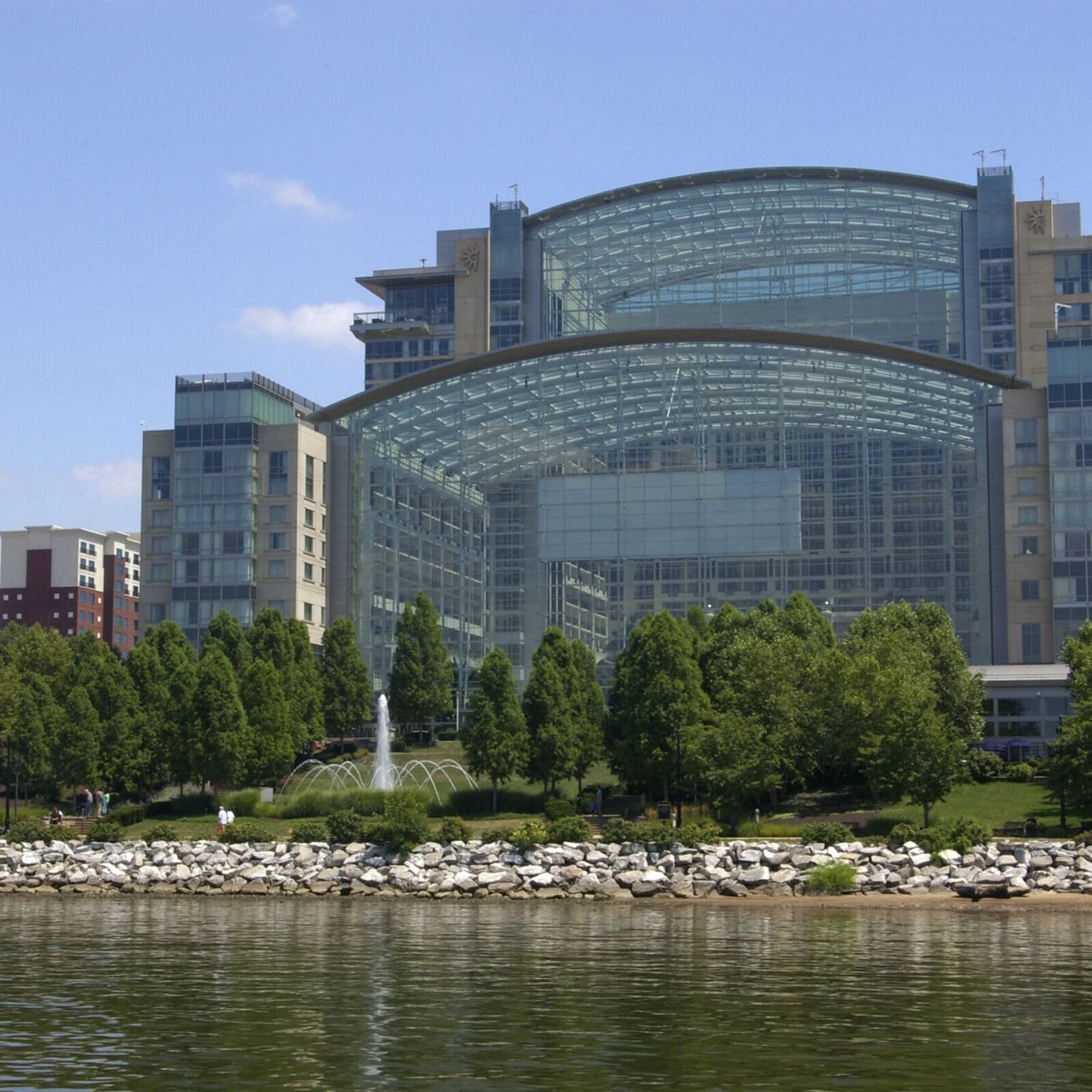
The 2027 SIOP Annual Conference, hosted at the Gaylord National Resort & Convention Center in National Harbor, MD, will bring together leading researchers, practitioners, educators, and students in the field of industrial-organizational psychology. Set along the scenic Potomac River just outside Washington, D.C., the conference will provide opportunities to exchange ideas, explore the latest research, and advance the science and practice of I-O psychology.
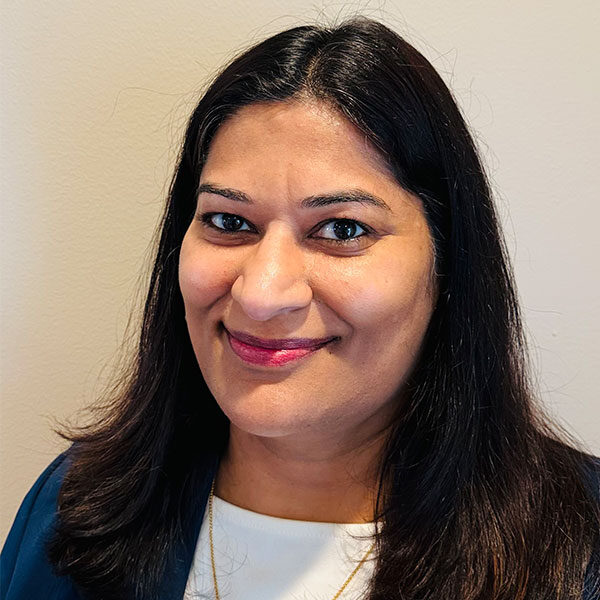
Vipanchi Mishra
2027 SIOP Program Chair
Vipanchi Mishra, Ph.D. is serving as the 2027 Society for Industrial and Organizational Psychology (SIOP) Program Chair. In this role, she will oversee the creation of the 2027 SIOP Program, including the submission, review, decision, and scheduling process for peer-reviewed submissions. Having served as Chair-in-Training during the previous year, Dr. Mishra brings experience, preparation, and enthusiasm to this role as she collaborates with the SIOP community to create a strong and engaging program for the world’s largest scientific meeting for Industrial-Organizational psychology. Dr. Mishra has been an active contributor to SIOP through a variety of leadership, scholarly, and service roles. Since attending her first SIOP conference in 2007, she has consistently reviewed conference submissions and presented her research at the annual meeting. She previously served as the Chair of the SIOP Small Grants Awards Committee overseeing SIOP’s small grant program, she also served as the Chair of the International Research and Collaboration Grant and a member of the Education and Training Committee. Dr. Mishra earned her Ph.D. in Industrial and Organizational Psychology from the University at Albany, State University of New York. She currently serves as Professor and Chair of the Department of Psychology at West Chester University of Pennsylvania.
