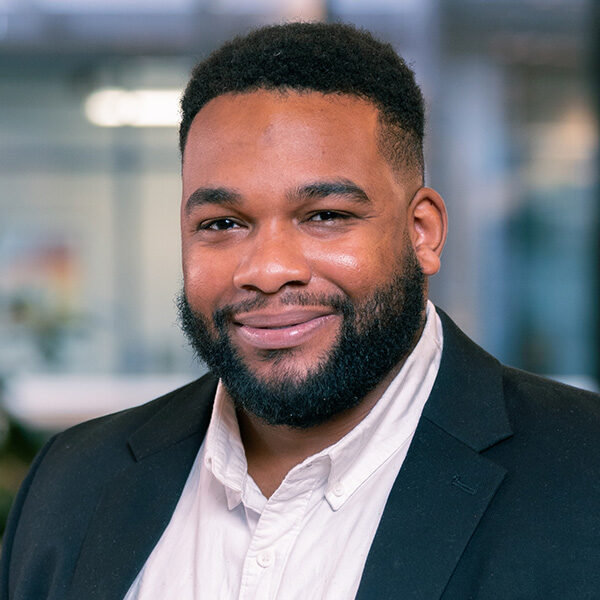
Meet SIOP Student Member Melvin Smith
Name
Melvin Smith
Position/Employer
PhD Student, Mississippi State University; Principal, Linked Innovations LLC
How long have you been a SIOP member?
1 year
What roles have you had within SIOP?
Career Services Committee member
Interest area(s)
Workforce development, mentorship systems, career mobility, skills ecosystems, learning design, and equity in talent pipelines
What sparked your interest in I-O psychology?
My interest in I-O psychology grew from working at the intersection of education and healthcare IT. As an educator and IT operations leader, I saw firsthand how talent pipelines break down due to unclear pathways and misalignment between training and workforce demand. I-O psychology provided the language, frameworks, and research foundation to understand better these challenges and design solutions that are both human-centered and system-driven.
What role do you see I-O psychology playing in the future of work?
I-O psychology will continue to play a crucial role in shaping the future of work by transforming complexity into practical workforce strategies. As industries evolve and technology accelerates development, organizations will require evidence-based approaches for talent and leadership development and skills alignment. I-O psychologists are uniquely prepared to provide insights and design systems that enhance performance, broaden access, and support sustainable workforce ecosystems.
What work trends are you seeing and hearing about, and how can I-O psychology practitioners, educators, and students impact these trends?
I’m noticing a growing emphasis on skills-based hiring, the expansion of short-term credentialing programs, and an increased focus on employee experience and career mobility, especially in sectors like healthcare that are facing workforce shortages.
I-O psychology professionals can respond by concentrating on system-level approaches that map the skills needed within an ecosystem, strengthening organizational upskilling frameworks, and aligning the needs of internal and external partners. Additionally, I-O professionals can leverage their experience in understanding policy and funding mechanisms to support organizational and community economic value on a larger scale.
What advice would you give to students or those early in their careers?
Be intentional about connecting your work to real problems you care about. The value of I-O psychology becomes clear when applied to real-world challenges. Also, don’t wait until you feel fully prepared; start building, testing, and refining your ideas early.
What one piece of advice would you give to someone who is looking to secure their first role in the field of I-O psychology?
Focus on showing how you solve problems, not just what you know. Employers value practical examples of how you can apply I-O principles to achieve meaningful results.
Is there any guidance you would provide to a job seeker given the current challenging state of the job market?
Differentiation is crucial. Create a portfolio that clearly showcases how you think and solve problems. Additionally, be open to adjacent roles that help you develop relevant skills and position you for long-term success in I-O psychology. Having a strong professional narrative helps you communicate not only who you are but also the clear fit you see.
What is one of your favorite SIOP Annual Conference memories/highlights?
This will be my first year attending, and I’m excited to meet colleagues from the Membership Services Committee in person and build new connections across the field. Additionally, the SIOP Ambassador program is a unique feature offered by the organization. It highlights another example of the community that the field provides.
Please share one non-I-O-related bit of information about yourself.
I’m also a creative writer working on a narrative drama set in the American South that examines the connection between identity and community on the path to self-discovery.
Is there anything you’d like to add?
I’m especially eager to enhance my skills in government relations and policy development, with a focus on skills-gap forecasting. The pandemic exposed major stress points in our healthcare workforce systems, and I aim to use my experience and current research to help shape policies that boost workforce resilience and better serve community needs.
If you would like to be considered for a Membership Spotlight, please fill out this form.