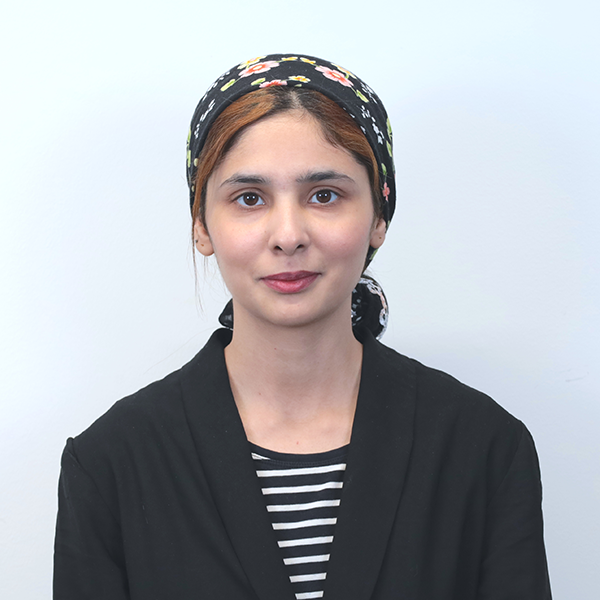
Meet SIOP Student Member Jawaria Ashraf
Name
Jawaria Ashraf
Position/Employer
PhD student of Policy, Organizational & Leadership Studies at Temple University
How long have you been a SIOP member?
1 year
Interest area(s)
Gender and diversity at work; workplace harassment; HRD and talent development; organizational culture; mentoring and inclusion; cross-cultural workplace dynamics
What sparked your interest in I-O psychology?
I became interested in I-O psychology because of my Master of Philosophy in Organizational Psychology and its unique focus on understanding and improving workplace behavior, employee well-being, and organizational effectiveness. My early research on work–family conflict, women, gender disparities, and employee development showed me the power of applying psychological principles to foster inclusive and high-performing organizations. I started my internship in HR while studying undergraduate studies, and from there I started to build my career in I-O psychology. Then I started my Master of Philosophy in I-O psychology to broaden my career in research.
What role do you see I-O psychology playing in the future of work?
With rapid technological change and evolving workforce expectations, I think I-O psychology will be essential in designing workplaces that are efficient, inclusive, and sustainable. Research on employee development and organizational culture will inform policies and practices that support both individual well-being and organizational effectiveness in the future of work. For instance, in my recent research on women entrepreneurship, I have found that women who get support from family and organization perform better in their careers.
What work trends are you seeing and hearing about, and how can I-O psychology practitioners, educators, and students impact these trends?
I can see that emerging trends such as remote work, digital transformation, and DEI initiatives are reshaping organizations worldwide. When I started work in organizations after COVID, organizations transformed to a remote almost 90% and it was much more feasible for all employees. However, I think I-O psychologists can influence these trends by applying research to improve workplace policies, promote employee well-being, and foster inclusive cultures.
What advice would you give to students or those early in their careers?
My advice is to stay curious and resilient. Taking every chance to learn about workplace dynamics through projects will advance your career. Try your best to make a network with professionals, participate in conferences, and I would also suggest remaining open to interdisciplinary approaches. These experiences will help you effectively and responsibly.
What is one of your favorite SIOP Annual Conference memories/highlights?
This being my first SIOP conference, I am especially excited about meeting fellow students, early-career professionals, and mentors in the field. I’m looking forward to engaging with sessions and roundtables that will broaden my perspective on emerging trends in I-O psychology, women, gender, and mentoring in academic and other organizations.
Please share one non-I-O-related bit of information about yourself.
I’ve always loved animals and hope to create a foster home in the future, where I can care for pets and help them find permanent families.
If you would like to be considered for a Membership Spotlight, please fill out this form.