Today, change is fast-moving and constant. As such, traditional change management is simply not sufficient. This seminar invites participants to rethink their approach to change and design strategies that build sustainable change capability. Participants will move beyond managing isolated events to enable ongoing adaptability in a world of constant disruption.
Although change management has long been a cornerstone of the I-O practitioner’s toolkit, traditional approaches are increasingly inadequate for today’s volatile and complex business environment. Contemporary organizations must not only anticipate emerging trends but also proactively prepare for unforeseen disruptions before they compromise the organization’s growth and health. Rather than viewing change as a series of isolated events, thought leaders now emphasize the cultivation of change capability that enables organizations to thrive amid dynamic and unpredictable conditions. Building such capability requires an integrated understanding of employee reactions, team dynamics, leadership agility, and the organizational systems that drive perpetual change readiness. This session equips practitioners with evidence-based tools and insights to foster change resilience across levels. Facilitators will explore how organizations can embed sustained change capability throughout the enterprise while also highlighting the pivotal role leaders play in guiding individuals through turbulence and uncertainty.
Presenters
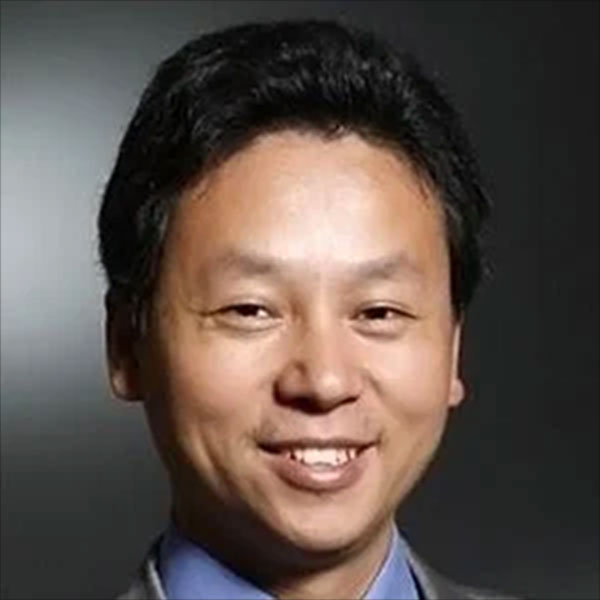
Guangrong Dai, PhD, is senior director of Research at Korn Ferry. He leads applied research to develop science-based solutions that enhance leadership and organizational effectiveness. Dr. Dai was a key contributor to Korn Ferry’s leadership competency library and high-potential assessment framework—tools widely adopted by organizations worldwide.
A consistent theme in his career is the study of individual and organizational agility. He has authored numerous publications on learning agility, including a chapter in The Age of Agility: Building Learning Agile Leaders and Organizations, part of the SIOP Professional Practice Series. He also served as guest editor for a special issue in the Consulting Psychology Journal, collaborating with scholars and practitioners to synthesize change literature and offer practical insights for building sustainable change capability across organizational levels.
Dr. Dai earned his PhD in Industrial/Organizational Psychology from Central Michigan University and completed executive coaching certification at the University of St. Thomas.
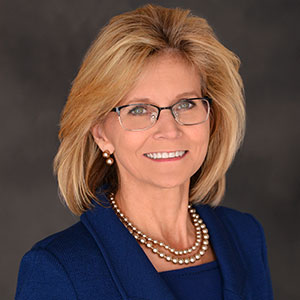
Veronica Schmidt Harvey, PhD helps organizations strengthen their leadership pipelines and foster healthy cultures through assessment, coaching, and holistic development. With over 35 years of experience, she has partnered with more than 135 organizations—including many Fortune 500 and Forbes-listed companies—across 32 countries and numerous industries. She is currently the Principal of Schmidt Harvey Consulting, LLC. She is currently co-editing a 2026 special issue of Consulting Psychology Journal (CPJ) on Building Change Capability. She is also co-editor of book The Age of Agility: Building Learning Agile Leaders and Organizations (Oxford University Press, 2021) and co-edited a 2022 special issues of CPJ on learning agility. Veronica holds a doctorate in Industrial Organizational Psychology, a master’s in Counseling Psychology, and a bachelor’s in Psychology, all from Iowa State University. She is a Fellow of the Society of Industrial and Organizational Psychology (SIOP) and a frequent presenter at the SIOP annual conference and others.
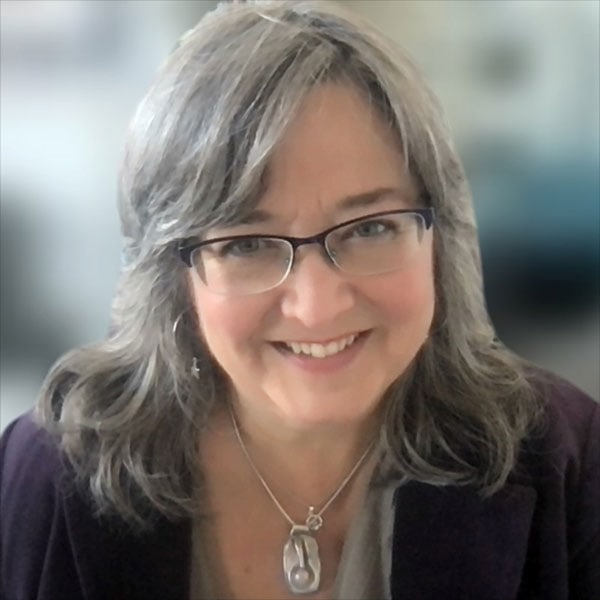
Marady Hill leads large-scale transformations for organizations who need to shift mindsets and activate culture, strategy or operational shifts such as new business models, reorganization, M&As, technology and AI/digital adoption, business process optimization and developing enterprise change capability. She is currently an organizational change consultant and leadership coach at Korn Ferry.
Marady takes an agile, human-centered change approach to help leaders and teams solve complex organizational challenges in novel ways. She applies 30+ years of experience as a leadership coach and facilitator, design and systems thinker, and change practice lead at multiple top consulting firms.
She is adept at both change strategy and implementation including multiple change models, such as agile change, Korn Ferry’s The Art of Movement Making, Prosci ADKAR, Kotter, Head/Heart/Hands, and BJ Fogg’s tiny habits for behavior change. She has a BA degree in Political, Legal & Economic Analysis from Mills College.
Level
Intermediate
Learning Objectives
- Define the construct of Organizational Change Capability (OCC) and describe four (4) factors that contribute to OCC and perpetual readiness for change.
- Explain at least three (3) key reasons why building change capability is essential for organizations facing accelerated change and change fatigue.
- List five (5) common reactions to change that leaders and organizations must be prepared to respond to.
- Describe the five (5) roles of change-capable leaders and the importance of these roles in turbulent environments.
- Identify at least 10 practical implications for developing leaders to be change fluent in support of OCC.
- Identify the enterprise-level practices—including people, capability, processes, and tools—that foster sustainable and repeatable change success.
- Explore the key elements of change networks, growth mindsets, and emergent approaches that help organizations create conditions where OCC can thrive.
Topic
2026 Annual Conference
Date
May 1, 2026
Time
8:30 a.m. - 11:30 a.m.
Delivery Type
In-Person
Workshop Coordinator
Brian Ruggeberg, Spencer Stuart