Political polarization, economic stress, and social divides are fueling incivility that seeps into workplaces. This interactive workshop examines the roots and expressions of incivility, its impacts on fairness and well-being, and practical steps I-O psychologists can take to foster respectful, inclusive, and high-performing cultures despite external social tensions.
In today’s climate of political polarization and social tension, workplace civility is under strain. Incivility affects engagement, trust, and performance, yet its manifestations can be subtle and context dependent. This session explores how societal divides shape perceptions of fairness, belonging, and interpersonal respect at work. Facilitators will blend research findings with interactive scenarios to unpack how incivility arises, spreads, and can be addressed across systems through hiring, performance management, and culture building efforts. Participants will leave with practical tools to diagnose sources of workplace incivility, craft organizational interventions, and make the business case for civility as a driver of organizational health and employee well-being.
Presenters
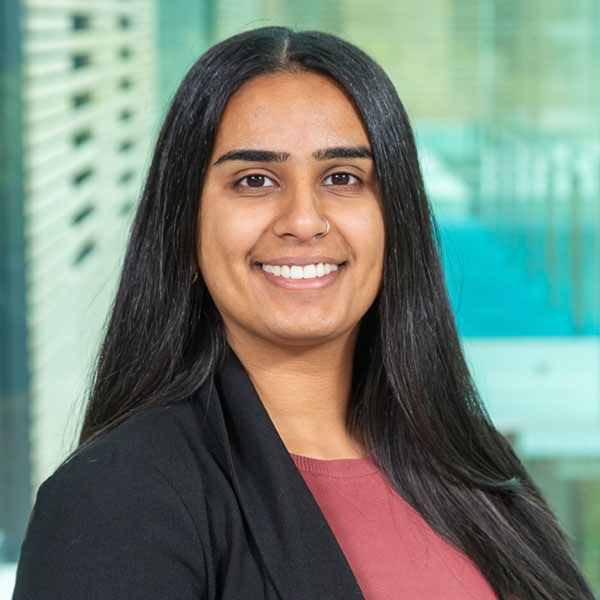
Roxy Merkand is a research science manager at the McKinsey Health Institute of McKinsey & Company. The McKinsey Health Institute (MHI) is an enduring, non-profit generating entity within McKinsey & Company – founded on the conviction that, over the next decade, humanity could add as much as 45 billion extra years of higher quality life (roughly 6 years per person on average—and substantially more in some countries and populations). MHI’s mission is to catalyze the actions needed across continents, sectors and communities to realize this possibility. Roxy leads several research projects – designing and collecting health-related data from respondents around the world, translating this data to insights, and bringing these insights to clients to drive change at scale that is good for employees, for business and for broader communities.
Roxy earned her PhD in industrial/organizational psychology from the University of Waterloo (UW) in 2022, focusing her research on the disclosure of invisible disabilities during job search and at work. Roxy is currently pursuing her MBA at Wilfrid Laurier University. Roxy is passionate about weightlifting, sustainable food sourcing, trying new recipes and snuggling with her two dogs, Frankie and Myra.

Kajal Pate, PhD, manages PepsiCo’s Annual Engagement Survey for North America. She also managed their global Leadership Assessment and Development (LeAD) program and trained more than 100 internal employees to become LeAD coaches. She has been published in many top-tier journals and presented at many high profile conferences. She received her PhD from Baruch College & The Graduate Center, CUNY.
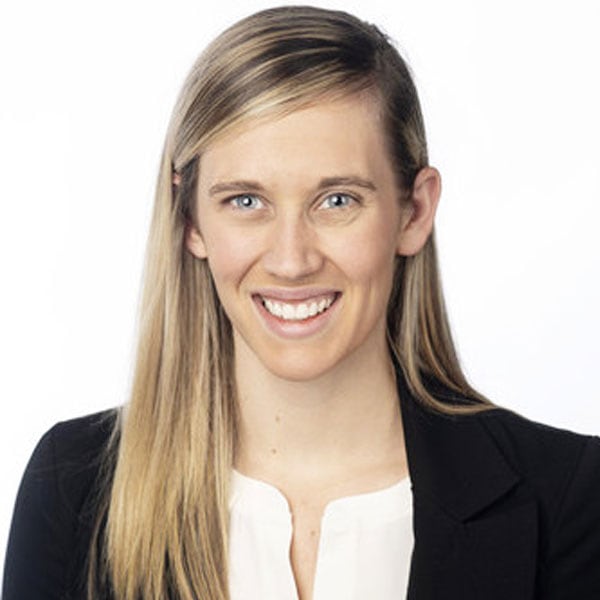
Chelsea Scoffone is an assessment specialist at McKinsey & Company, where she leads the design and implementation of assessments for internal and client-facing roles globally. She specializes in creating behavioral, technical, and practical skills-based evaluations, managing vendor relationships for screening tools, and developing surveys to measure and improve assessment effectiveness. A key contributor to McKinsey’s global hiring processes, she has authored several of the firm’s key assessment techniques and supports interviewer training, recruiter upskilling, and ethical decision-making. She obtained her PhD from the University of Georgia and spent 10 years in higher education administration before shifting to corporate.
Level
Intermediate
Learning Objectives
- Define workplace incivility and differentiate it from related constructs such as conflict, bullying, and microaggressions using current research evidence.
- Analyze how societal polarization and perceived unfairness influence interpersonal dynamics, trust, and psychological safety in organizations.
- Identify at least three organizational or leadership factors that mitigate or prevent uncivil workplace behavior.
- Apply evidence-based strategies to prevent incivility through changes in recruitment, selection, performance management, and culture building processes.
- Evaluate the business and well-being impacts of civility interventions using key organizational metrics such as engagement, retention, and productivity.
- Design an action plan to address barriers and enablers of workplace civility within participants’ own organizations or client systems.
Topic
2026 Annual Conference
Date
May 1, 2026
Time
8:30 a.m. - 11:30 a.m.
Delivery Type
In-Person
Workshop Coordinator
David Mendelsohn, TalentNeuron