Explore how I-O psychologists can shape innovation in the AI era. Participants will learn how product and AI solutions are built, from problem framing to measurement frameworks. Through real-world examples and multidisciplinary expert insights, attendees will learn how to apply I-O principles to design, build, and evaluate responsible, human-centered innovations.
Learn how product and AI-driven experiences are designed, built, and measured. This interactive workshop introduces core product frameworks such as Design Thinking, Agile, and HEART to show how teams identify user needs, prototype ideas, build, and measure impact. Participants will learn how multidisciplinary experts in product, design, and engineering collaborate effectively across disciplines.
Through real-world examples and hands-on exercises, attendees will apply these fundamentals to AI contexts, exploring how to define use cases, design prompts and interactions, and evaluate outcomes for trust, accuracy, and user value. Participants will gain practical skills to translate I-O principles into scalable, human-centered innovation in their own organizations.
This session advances the practice of I-O psychology by integrating research-based principles with product strategy, preparing I-Os to collaborate across disciplines and lead responsible, applied innovation in the AI era.
Presenters
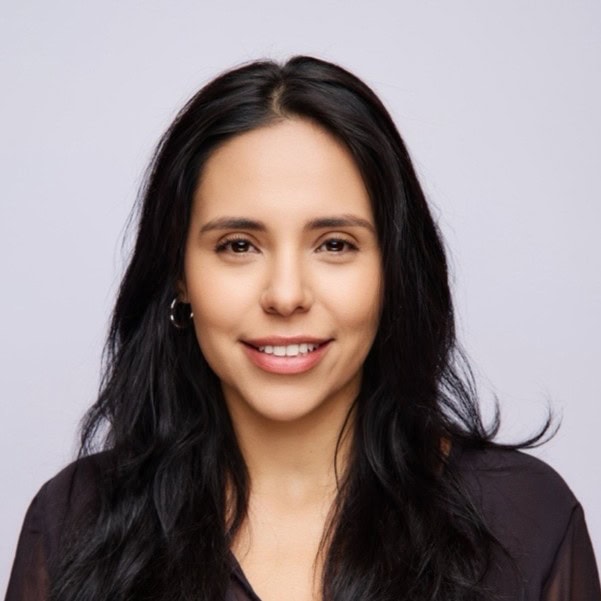
Caribay Garcia Marquez, PhD, leads People Science Product R&D for Microsoft Viva, where her work bridges organizational science, AI innovation, and employee experience. She drives research-backed strategies that shape product development, scaled insights, and customer solutions. Currently, she leads research and product initiatives on human-AI teaming, defining Microsoft’s next generation of HR and employee experience (EX) agents. Her work also advances employee listening innovation, exploring how ambient signals and conversational AI can transform how organizations understand and support their people.
Before joining Microsoft, Caribay led research, consulting, and product development at Humu, the Enterprise Nudge Platform (now part of Perceptyx), and drove people analytics and organizational development initiatives at PepsiCo. She earned her PhD and MS in Industrial-Organizational Psychology from the Illinois Institute of Technology and her BS in Psychology and Labor & Employment Relations from the Pennsylvania State University.

Carolyn Kalafut is a principal people scientist on the Microsoft Viva People Science Research & Development Team, where she partners with Product, Design, and Engineering to shape the Viva product suite in ways that empower organizations to deliver exceptional employee experiences, foster thriving workplace cultures, and drive meaningful business outcomes. Carolyn is the lead people scientist on the Viva Glint Copilot feature and has played key roles in the development of other AI features, ensuring that AI-powered insights are grounded in behavioral science and designed to elevate the voice of employees while enabling leaders to take smarter, faster action. Prior to her current role, Carolyn was a consultant at Glint (part of LinkedIn/Microsoft), where she advised clients on the design and implementation of people success strategies, including engagement, performance, and organizational effectiveness. Before joining Glint, she served as manager of Talent and Engagement at a global Fortune 500 company, leading the transformation of its global engagement and employee listening practice.
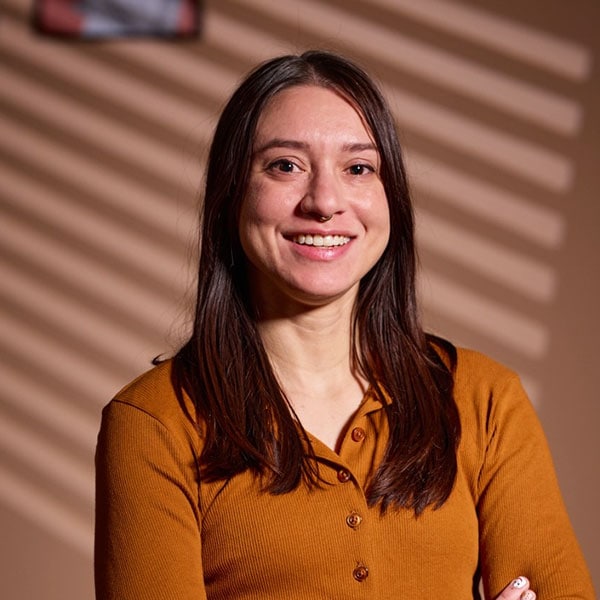
Teresa Ristow is an industrial-organizational psychologist specializing in NLP and AI applications for organizational research, employee feedback systems, and workplace assessment. She is currently a people science researcher at Microsoft (via Troy Consulting) where she supports Microsoft’s evaluation of conversational AI in employee listening contexts. Previously, she served as assistant professor at Radford University, where she taught graduate courses in industrial-organizational psychology and led applied research on AI-driven tools. She earned her PhD in I-O psychology from Virginia Tech. Her research and publications span AI applications for workplace inclusion, survey data quality methodology, and voice-based survey measurement, with work appearing in Psychological Methods, Behavior Research Methods, and the forthcoming SIOP handbook: AI for I-O Psychologists.
Level
Introductory
Learning Objectives
- Describe the key stages of evidence-based product development, including problem framing, prototyping, development, and measurement
- Explain how multidisciplinary teams in product, design, engineering, and science collaborate across stages to create human-centered innovations in the era of ai
- Outline a plan for an AI-driven product concept based on an I-O psychology /work scenario by identifying user needs, defining a use case, and mapping prototype ideas using validated, evidence-based frameworks
- Draft a measurement plan that includes example metrics such as trust, accuracy, and user value to evaluate the effectiveness and responsibility of an AI experience.
- Identify ethical, validity, and bias considerations relevant to evaluating the AI product concept and discuss evidence-based approaches for mitigating these risks.
- Develop an action plan for applying I-O psychology principles in the design, testing, and scaling of responsible, human-centered innovation within their organizations
Topic
2026 Annual Conference
Date
May 1, 2026
Time
2:00 p.m. - 5:00 p.m.
Delivery Type
In-Person
Workshop Coordinator
Miriam Nelson, PhD, Korn Ferry