Lead the shift to skills-based organizations! This program equips I-O psychologists with the knowledge and tools to navigate this strategic transformation. Analyze drivers, examine case studies, and anticipate impacts. Learn to implement skills-based models, integrate them into HR functions, and enhance organizational agility. Bridge the gap between theory and practice – shape the future of work!
This program equips participants with the essential knowledge and practical tools to effectively lead organizations through the strategic and tactical challenges of transitioning to a skills-based model. Grounded in I-O principles, participants will analyze the strategic drivers behind adopting skills-based approaches, critically examine real-world case studies, and learn to anticipate organizational impacts. Emphasis will be placed on translating strategy into action: attendees will gain proficiency in identifying and sequencing key activities (e.g., skills audits, gap analyses) and in formulating data-driven strategies for integrating skills into core HR functions (e.g., talent acquisition, performance management, L&D, succession management, and assessments). Attendees will leave with actionable insights to enhance organizational agility, optimize talent utilization, and drive strategic alignment, thereby contributing to improved organizational effectiveness and employee success. The program bridges the gap between I-O theory and real-world application, empowering participants with the basics of creating a skills-based organization and shaping the future of work.
Presenters
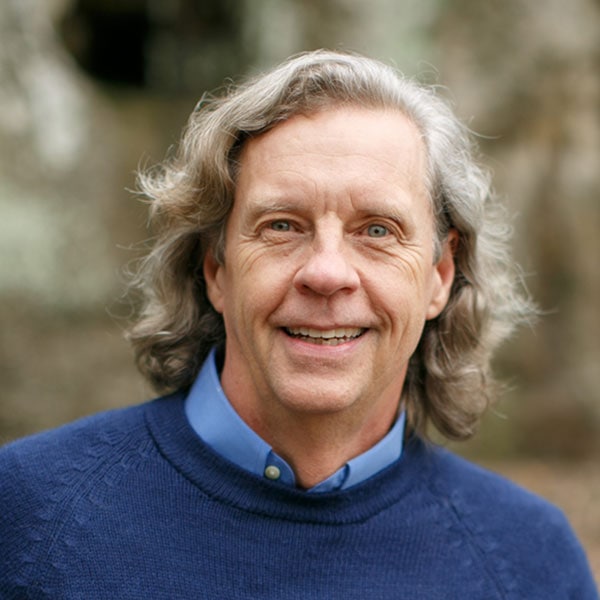
Dr. Eric Popp is a managing research scientist at SHL. He directed the selection process for an international nonprofit organization for 10 years prior to attending graduate school. He received his PhD in Applied Psychology from the University of Georgia in 2004 after which he spent 2 years teaching at Eastern Kentucky University. In 2006, he joined SHL where he has been involved in multiple areas including validation and business outcome studies, development of cognitive and personality item content, localization of assessments, development of animation-based, branching SJTs, ROI estimations, development of competency-model-based job-analysis content and competency proficiency levels. His recent work on mapping SHL’s Universal Competency Framework (UCF) to the O*Net content model has allowed for the creation of skill-based job profiles for O*Net occupations in terms of the UCF. The results of this work highlight some of the strengths and limitations of utilizing O*Net data for job analysis in terms of custom skill models.
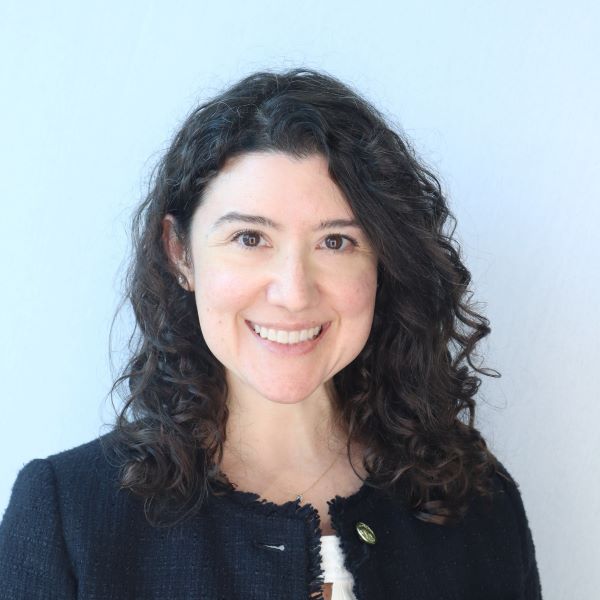
Julia S. Walsh, PhD, is manager of Talent Assessments at General Mills, where she leads enterprise-wide assessment strategy. Her work spans all levels of the organization, from hourly production to executive leadership, by identifying the critical skills needed for success and embedding them into a unified approach to selection and development. This strategy has strengthened leadership pipelines, improved consistency in talent decisions, and aligned assessment practices with evolving business priorities. Julia brings 13 years of experience in talent assessment, leadership development, and people analytics across global companies including Stripe, Johnson & Johnson, and IBM. She earned her PhD and MS in Industrial-Organizational Psychology from Auburn University.

Kristen Cooper Is an industrial-organizational psychologist currently serving as the head of Solutions Consulting at SHL. In this role, she partners with global clients to optimize their talent practices.
She spent the majority of her career as a practitioner at CSX Transportation, where she led executive succession planning, performance management, and leadership development. She has been in consulting for the past 4 years, leading Client Services and People Success in the technology sector.
Kristen is passionate about Positive Psychology and utilizing data to connect people to fulfilling careers. Outside of work, you can find her with her three young children and husband at any Auburn University Sporting event or coaching entrepreneurs through the Auburn New Venture Accelerator.
Level
Intermediate
Learning Objectives
- Analyze the strategic rational for the decision to adopt a skills-based model
- Explain the shift from a traditional role-based to skills-based organizational structure
- Identify and sequence the critical activities needed to plan and implement a skills-based model
- Formulate a strategy for integrating skills-based approaches into existing HR and talent management processes
Topic
2026 Annual Conference
Date
May 1, 2026
Time
2:00 p.m. - 5:00 p.m.
Delivery Type
In-Person
Workshop Coordinator
Lisa Getta, PhD, USAA, Director of Assessments