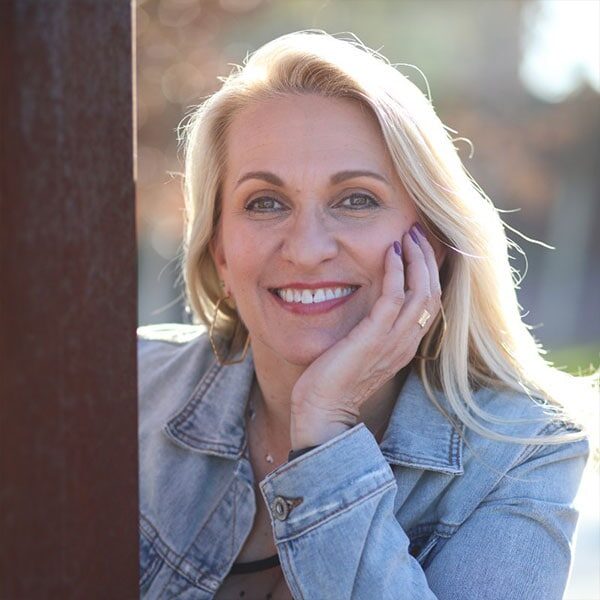
Meet SIOP Member Christine Sopa
Name
Christine Sopa
Position/Employer
The Wayfarer Group, LLC
How long have you been a SIOP member?
10 years
What roles have you had within SIOP?
Education and Training Committee member
Interest area(s)
Leadership development, executive coaching, self-awareness through assessments
What sparked your interest in I-O psychology?
I have always had an interest in psychology but knew I did not want to be a clinical psychologist. I never even knew I-O psychology existed until I was at an industry conference and saw a Master’s degree program for it at a university’s trade show booth. I-O psychology blended my love for business and psychology, and it was a no brainer from there!
What role do you see I-O psychology playing in the future of work?
As the world of work changes rapidly, I-O psychology students, educators, researchers, and practitioners play a critical role in helping to create environments where people can perform at their highest potential without burning out. Our field is key in keeping employees engaged, resilient, and accountable, all while working in a fast-paced and ever-changing world with new technologies, such as artificial intelligence (AI). One of the most important areas I-O psychology professionals will play a role in is helping to create better leaders through coaching, training programs, and helping leaders understand the importance of emotional intelligence.
What work trends are you seeing and hearing about, and how can I-O psychology practitioners, educators, and students impact these trends?
One of the main areas I hear about from my clients is the challenge of hybrid and flexible work. Organizations want the employees in the office more and the employee wants to have a more flexible schedule and work from home. I-O psychology practitioners can help the organizations design flexible work policies and leadership practices while at the same time sharing their knowledge on the research around the productivity of remote teams. This is an area that I have seen affect employee engagement the most.
The other area I am seeing most often is around employee burnout and stress-related issues. I-O psychology practitioners can help create viable wellness programs for the organization as well as work with the employees directly as a coach to help them understand their stressors and learn how to meet their needs at work in ways that will not cause their well-being to suffer. This is an area that has been an on-going issue, even before the pandemic.
What advice would you give to students or those early in their careers?
Don’t worry so much about what area of I-O psychology you will focus on because the field is very versatile. Work in a variety of areas within the field and see which one you enjoy the most. Don’t be afraid to change your mind either! My area of focus has changed at least twice over the 23 years I have been in business. The important thing is to do what you enjoy!
Did you start a career in I-O psychology after a different career? If you are open to it, please share your career tips for anyone wanting to move from their current role into one in the field of I-O psychology.
I started my career journey in healthcare and found that I always gravitated towards training and helping people find more joy out of their work. My transition was a little different. I had a health scare in my 30s which was a wakeup call that drove me to consider what I really wanted to do as a career. I started my own business doing sales training for companies while I was getting my master’s degree in I-O psychology. As I worked more in the field, it was later that I decided I wanted to learn more and then got my PhD. There is no perfect path!
If you are looking to switch careers to I-O psychology, I would highly suggest you find an internship or do some volunteer work with an I-O psychology practitioner to gain some experience in the field. This will also allow you to figure out what area of the field you most enjoy and give you that experience to put on your resume. Experience is key! SIOP has some amazing programs where you can find this experience and the annual conference will help you meet people who can help you along your journey.
What tip can you share with someone who might not know how to network in the field of I-O psychology?
The SIOP Annual Conference is a key place where you can meet many kinds of I-O psychology professionals. Utilize all the tools and resources SIOP has to offer. There are also many on-line networking groups through LinkedIn that are beneficial, depending on the type of work you want to pursue. Don’t be afraid to reach out to people on LinkedIn that you do not know and ask for some time to interview them or ask them questions. I get many requests from students on LinkedIn who have questions or want to interview me for a school project. This time is super valuable and then you have a connection for life!
What is one of your favorite SIOP Annual Conference memories/highlights?
I don’t know that I have a specific memory however every year I go I am amazed at how much I learn from the speakers and the sessions compared to the other industry conferences I attend.
Please share one non-I-O-related bit of information about yourself.
My original career path was to be a physician. My undergraduate degree is in Biology & Chemistry and as crazy as it sounds, you would be surprised how often I pull on that knowledge in I-O when talking to people about stress! All our experiences happen for a reason. 🙂
Is there anything you’d like to add?
Every day I feel as if I have the best job in the world! As an I-O psychology practitioner, I feel like I truly make a difference in people’s lives both personally and professionally.
If you would like to be considered for a Membership Spotlight, please fill out this form.