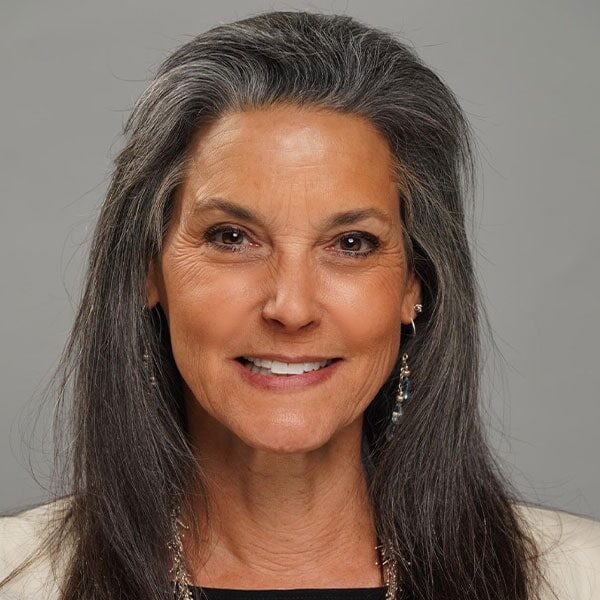
Meet SIOP Fellow Sara Weiner
Name
Sara Weiner
Position/Employer
Independent Consultant
How long have you been a SIOP member?
32 years
What roles have you had within SIOP?
- Chair, UN Committee
- APA Council of Representatives; SIOP Executive Board Member
- Conference Chair, Leading Edge Consortium
- Program Chair, SIOP Annual Conference
- Member, Workshop and Learning Programs Committee
Interest area(s)
Employee experience research and action: engagement; work and personal life navigation; teamwork; inclusion; virtual/hybrid work; leadership; and using survey design, analysis, and action-taking strategies to guide leadership in making data-based decisions.
During the last few years, I have been focused on promoting how I-O psychology can help drive the achievement of the United Nations Sustainable Development Goals.
What sparked your interest in I-O psychology?
An introductory I-O psychology course was not offered at my college. We didn’t even have a chapter about I-O psychology in the intro psychology textbook. When I was investigating options for graduate school psychology programs, I read a description about industrial and organizational psychology and said to myself “that’s it, that’s what I want to do.”
What role do you see I-O psychology playing in the future of work?
I-O psychology professionals should be involved in every aspect of the future of work. We are the experts on humans at work and understand the intricacies of how organizations can be successful by leveraging and respecting their workforce. As a field, we have always adopted the latest technology into our work. Artificial intelligence (AI) is the next technological iteration, and our involvement will help drive the best decisions regarding the AI/human interface.
What work trends are you seeing and hearing about, and how can I-O psychology practitioners, educators, and students impact these trends?
Artificial intelligence is clearly dominating the conversations about trends. AI is the latest in a long line of technology evolutions and revolutions that we, as a field, have been adapting into the work we do in organizations. There are particularly challenging aspects around the ethical use of AI. I-O psychology professionals have a huge responsibility for ensuring the optimal use of AI and that the right guardrails are in place.
There is also greater interest in humanitarian work psychology and sustainability, and I think (and hope) it will continue to expand.
What advice would you give to students or those early in their careers?
We want organizations to be incentivized to take data-driven actions with their teams/workforce to help meaningful change happen for employees while simultaneously helping leaders achieve their business goals. My advice is to align either published research in an academic journal, or proprietary research within an organization, with how it helps leaders to run their business. Organizational leaders are focused on strategic and tactical goals, navigating business challenges, and achieving measurable outcomes. In an academic paper, show how the research can be applied to typical business challenges and goals. As a practitioner, learn about the organization’s strategic and tactical goals, along with the top challenges for leaders, and frame the research in the context of what they are trying to accomplish.
Did you start a career in I-O psychology after a different career? If you are open to it, please share your career tips for anyone wanting to move from their current role into one in the field of I-O psychology.
I started out in college wanting to be an actress. From there to I-O psychology was an obvious transition. 🙂 I think the important thing is to realize that ANY career you have had, any paid or volunteer job you have had, has informed you about some I-O psychology principles. Everything you have done and learned will serve you in I-O psychology because you have gained understanding about humans at work in various contexts. Now you can dive into the theories and applied specifics.
What tip can you share with someone might not know how to network in the field of I-O psychology?
Go to the SIOP Annual Conference every year. Ask your professors, colleagues, or managers to introduce you, or introduce yourself, to people with whom you want to establish a connection at the conference or via email. Have a LinkedIn profile and reach out to people on LinkedIn. Data proves 😉 there is usually only 1-2 degrees of separation between any two I-O psychology professionals!
What is one of your favorite SIOP Annual Conference memories/highlights?
SIOP, the Shriners, and the Young Homemakers of America all were at the Opryland Hotel simultaneously and it was quite the scene when various attendees all shared an elevator!
Also, Kenexa Receptions (IYKYK!).
Please share one non-I-O-related bit of information about yourself.
I love rock climbing. I am mostly a gym climber but enjoy getting outside on real rock with family and friends. It’s a wonderful sport and it’s an even more wonderful community.
Is there anything you’d like to add?
SIOP has played an incredibly important role in my career. The learning, presenting, networking, friendships, and volunteer roles have each contributed meaningfully to my professional and personal life.
If you would like to be considered for a Membership Spotlight, please fill out this form.